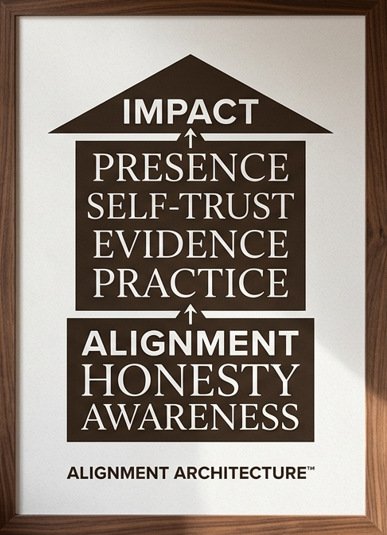
Alignment Architecture™
Build a life that is aligned from the inside out.
Alignment Architecture™ is a personal development and self-leadership framework created by Danielle Boddy, founder of Insight4Alignment. It helps individuals, professionals, entrepreneurs, and leaders examine the inner structures shaping their decisions, self-talk, communication, confidence, boundaries, and daily action.
This is not about becoming someone new.
It is about understanding the architecture already within you — and learning how to live, lead, and choose from a place of clarity, self-trust, and alignment.


What Is Alignment Architecture™?
Alignment Architecture™ is a human-centered framework for self-leadership, emotional intelligence, identity-based growth, values alignment, and daily aligned action.
Created by Danielle Boddy, founder of Insight4Alignment, the framework helps people understand the internal structures shaping how they think, decide, relate, communicate, lead, and move through life.
While the phrase “alignment architecture” is sometimes used in technical fields such as AI alignment, systems design, or organizational architecture, Alignment Architecture™ by Insight4Alignment is different.
This framework is focused on the human person.
It explores the alignment between:
Identity and action
Values and decisions
Emotional patterns and behavior
Inner narratives and self-talk
Communication and truth
Boundaries and self-respect
Vision and daily execution
Why Alignment Architecture™ Matters
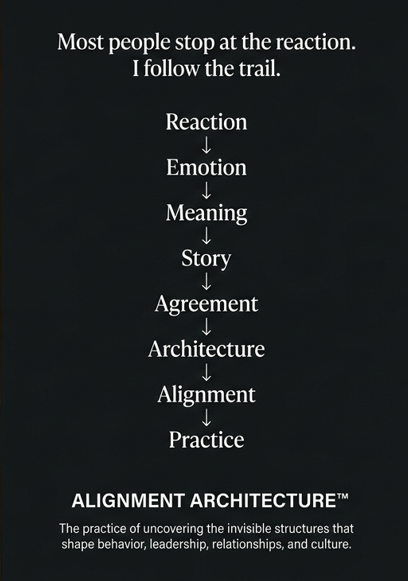
Alignment Architecture™ helps people move from pressure, performance, reactivity, and self-abandonment into clarity, self-trust, emotional steadiness, and lived alignment.
Many people are not lacking ambition, intelligence, or potential. They are living inside inner structures they have never been taught to examine. They may be carrying inherited stories, performance-driven self-talk, emotional patterns, outdated roles, unspoken fears, or decision-making habits built around approval, survival, or external pressure. This creates misalignment.
Misalignment can look like:
Saying yes when your body knows it is a no
Chasing success while feeling disconnected from yourself
Over-functioning in relationships, work, or leadership
Making decisions from fear, guilt, or pressure
Performing confidence while privately doubting yourself
Knowing what matters but struggling to live it consistently
Feeling successful on paper but unsettled internally
Alignment Architecture™ helps users identify the inner architecture behind these patterns and begin rebuilding from a more truthful foundation.
The Core Idea
Alignment is not a mood. It is not a personality trait. It is not a perfect state of balance.
Alignment is a practiced relationship between who you are, what you value, how you regulate, what you choose, and how you live.
Alignment Architecture™ gives language and structure to that process.
It helps you ask:
Who am I becoming?
What values are actually guiding me?
What stories are shaping my self-talk?
What emotional patterns keep repeating?
Where am I performing instead of telling the truth?
What choices would create evidence of alignment today?
“Alignment is a practiced relationship between who you are, what you value, how you regulate, what you choose, and how you live.”
The Six Layers of Alignment Architecture™
1. Identity
Identity is the foundation of the framework. This layer explores who you believe you are, who you have been practicing being, and who you are becoming.
Many people try to change behavior without examining identity. Alignment Architecture™ begins deeper. It asks what version of the self is currently making decisions.
Key Questions
Who am I practicing becoming?
What identity have I outgrown?
Where am I still living from an old role, label, or expectation?
What would my aligned self choose today?
2. Values
Values are the compass of aligned living. This layer helps people distinguish between inherited values, performed values, social expectations, and embodied values.
True values are not just words we admire. They are the commitments that create integrity between inner truth and outer action.
Key Questions
What do I say I value?
What do my choices reveal that I value?
Where are my values and calendar out of alignment?
What value needs more room in my life right now?
3. Inner Narratives
Inner narratives are the stories shaping how people interpret themselves, others, and what is possible. This layer explores self-talk, inherited scripts, limiting beliefs, identity statements, and the meaning people attach to past experiences.
Alignment Architecture™ does not treat self-talk as random thought noise. It treats it as internal architecture that can be examined, rewritten, and practiced differently.
Key Questions
What story am I living inside?
Is this story true, inherited, protective, or outdated?
What self-talk keeps repeating under pressure?
What new narrative would be more honest and more freeing?
4. Emotional Patterns
Emotional patterns shape behavior more than most people realize. This layer looks at the nervous-system responses, emotional loops, avoidance patterns, and protective strategies that influence daily choices.
The goal is not to judge emotion. The goal is to understand what emotion is protecting, revealing, or requesting.
Key Questions
What emotion shows up first under pressure?
What might be underneath that emotion?
What pattern repeats when I feel overwhelmed, unseen, criticized, or uncertain?
What would emotional steadiness look like here?
5. Communication
Communication is where inner alignment becomes relational. This layer explores truth-telling, boundaries, repair, clarity, listening, asking, feedback, and the ability to speak from presence instead of performance.
Alignment is not only internal. It must eventually become language.
Key Questions
Where am I withholding the truth to keep peace?
What boundary needs language?
What conversation am I avoiding?
How can I communicate clearly without abandoning myself or dishonoring others?
6. Aligned Action


Aligned action is where insight becomes evidence. This layer helps people move from awareness into practice. It focuses on daily decisions, habits, execution, courage, and follow-through.
Alignment Architecture™ teaches that confidence is built through evidence. Every aligned action becomes proof that the user can trust themselves.
Key Questions
What is one aligned action I can take today?
What would create evidence of the person I am becoming?
What is the next honest step?
What action moves me from insight into lived alignment?

Who Alignment Architecture™ Is For
Alignment Architecture™ is designed for people who are ready to live with more clarity, truth, and self-leadership.
It supports:
Professionals navigating growth, burnout, transition, or leadership pressure
Entrepreneurs and founders building from purpose instead of constant hustle
Coaches, consultants, and creatives who need language for inner transformation
Leaders who want to develop emotional intelligence, communication, and trust
High performers who feel successful but internally disconnected
Individuals working through people-pleasing, self-doubt, or performance-driven self-talk
Anyone ready to move from reactive living into aligned agency
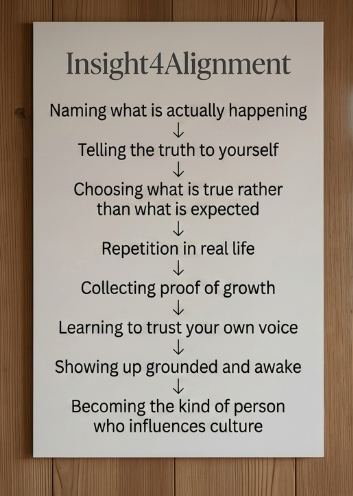
How Alignment Architecture™ Supports Personal Growth
Alignment Architecture™ helps users slow down and examine the structures underneath their behavior.
Instead of only asking, “What should I do?” the framework asks, “What is driving what I do?”
This creates deeper transformation because the user begins to understand the connection between:
Their identity and their habits
Their values and their decisions
Their emotional state and their behavior
Their self-talk and their confidence
Their boundaries and their energy
Their vision and their daily actions
The result is not surface-level motivation. The result is a more coherent way of living.

How Alignment Architecture™ Supports Leadership Development
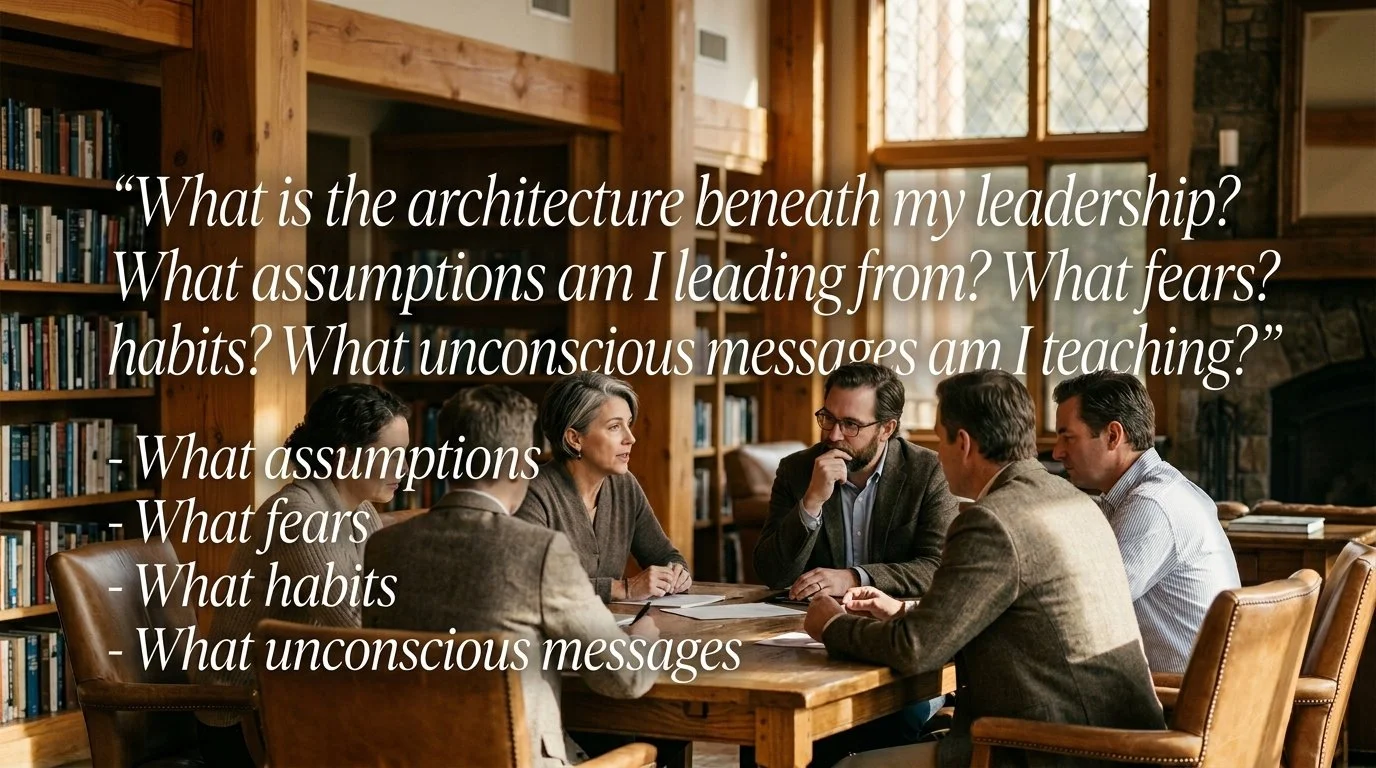
Leadership is not only strategy, communication, or performance. Leadership is the ability to stay aligned under pressure.
Alignment Architecture™ supports leaders by helping them examine the inner patterns shaping how they lead, respond, communicate, repair, and build trust.
For leaders, the framework supports:
Emotional steadiness under pressure
Values-based decision-making
Clearer communication
Healthier boundaries
Trust-building behaviors
Repair after conflict or relational drift
Self-awareness in power, responsibility, and influence
Moving from reactive leadership into presence-led leadership
A leader’s inner architecture eventually becomes the culture around them. When leaders become more aligned, their communication, decisions, and relational presence become more trustworthy.
Programs and Apps That Use Alignment Architecture™
Alignment Architecture™ is part of the larger Insight4Alignment ecosystem and supports multiple programs, apps, and digital experiences.
These may include:
21-Day Self-Talk Reset
Enter Your Time Machine
AlignedWell
LeadKind
Inner Scriptorium
Future You Blueprint
Writer’s Discipline Blueprint
Trust Culture Foundations
Presence-Led Leadership resources
Each program applies Alignment Architecture™ in a different way, but the core goal remains the same: To help people move from pressure, performance, and disconnection into self-trust, clarity, and aligned action.
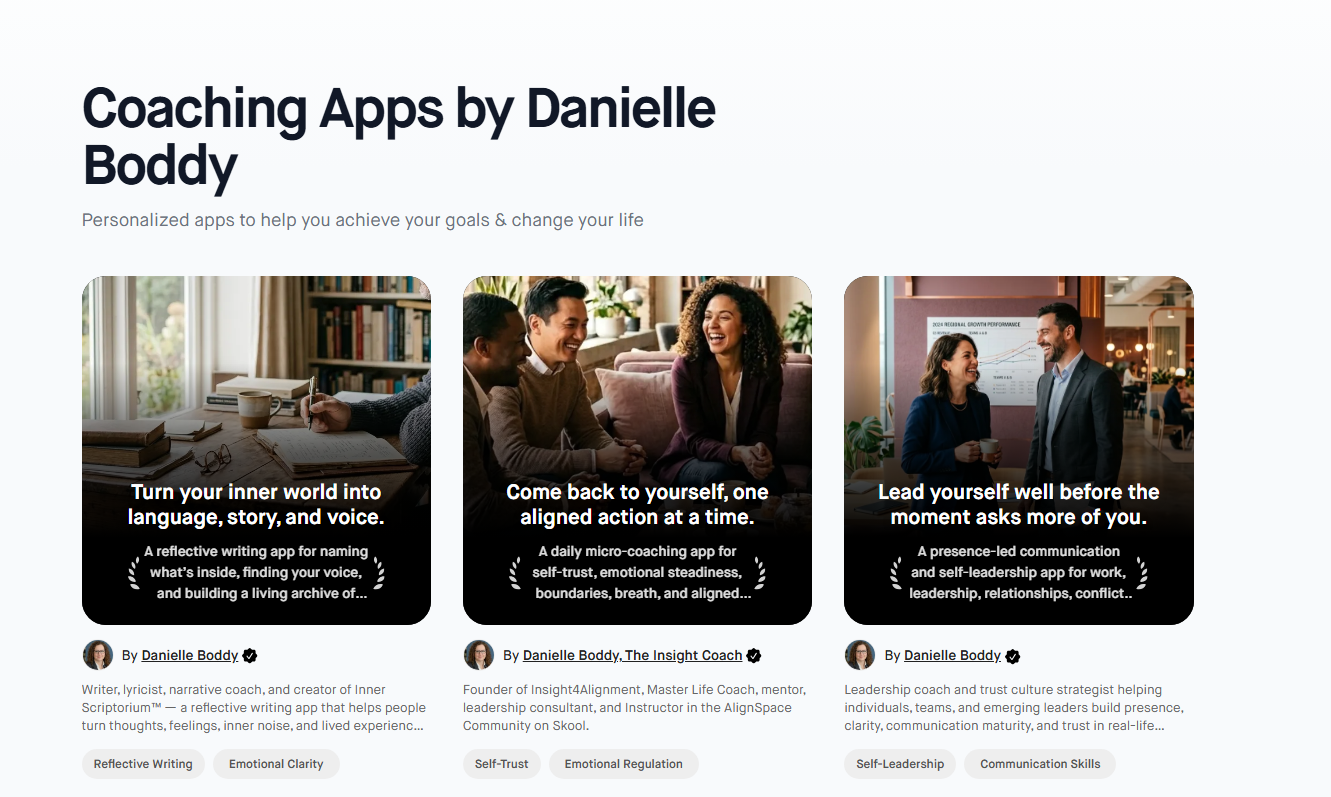
“I built the practice rooms I wish more people had access to.”
Most people are trying to grow without a place to practice.
So I built three: one for your inner world, one for self-trust, and one for real-life leadership.
Explore the Insight4Alignment app ecosystem on Studio: https://studio.com/insight4alignment
New!FAQs
What is Alignment Architecture™?
Alignment Architecture™ is a personal development and self-leadership framework created by Danielle Boddy, founder of Insight4Alignment. It helps people align identity, values, emotional patterns, inner narratives, communication, and daily action.
How does Alignment Architecture™ help with personal development?
It helps people understand the inner structures shaping their behavior, including identity, values, self-talk, emotional patterns, communication habits, and daily choices. This creates a clearer path from awareness to aligned action.
What programs use Alignment Architecture™?
Alignment Architecture™ supports several Insight4Alignment programs and apps, including the 21-Day Self-Talk Reset, Enter Your Time Machine, WorthRoom, LeadKind, Inner Scriptorium, Time Machine Blueprint, and Writer’s Discipline Blueprint.
Who created Alignment Architecture™?
Alignment Architecture™ was created by Danielle Boddy, founder of Insight4Alignment.
How does Alignment Architecture™ support leadership development?
It helps leaders develop self-awareness, emotional steadiness, values-based decision-making, communication clarity, boundaries, repair skills, and trust-building behaviors.
How can I begin using Alignment Architecture™?
You can begin by noticing one place where your inner truth and outer behavior do not match. Then ask: “What identity, value, story, emotion, communication pattern, or action is involved here?” That question begins the work of alignment.
Is Alignment Architecture™ the same as AI alignment architecture?
No. AI alignment architecture usually refers to technical systems designed to align artificial intelligence with human goals or constraints. Alignment Architecture™ by Insight4Alignment is a human-centered framework for personal growth, leadership, emotional intelligence, and aligned action.
What are the core layers of Alignment Architecture™?
The six core layers are identity, values, inner narratives, emotional patterns, communication, and aligned action.
Alignment Architecture™ is not about forcing yourself into a better version of who you think you should be. It is about learning the structure of your own becoming.
When identity, values, emotional awareness, communication, and action begin working together, life becomes less reactive and more intentional.
You stop performing alignment. You begin living it.